
When Every kWh Counts: A 3 MW Paper Mill Solar Project in Sri Lanka
Every shift on a paper production line involves a constant demand for electricity. For the mill, electricity is not only essential for the smooth running of production but also represents an operational expense that requires long-term management.
In southern Sri Lanka, a paper mill has integrated photovoltaic power generation into its energy supply system. This 3 MW project utilises 31 Sunways STT series three-phase grid-tied inverters, with the aim of meeting daytime production electricity needs and reducing reliance on purchased electricity, thereby incorporating solar power into the mill’s daily operations.
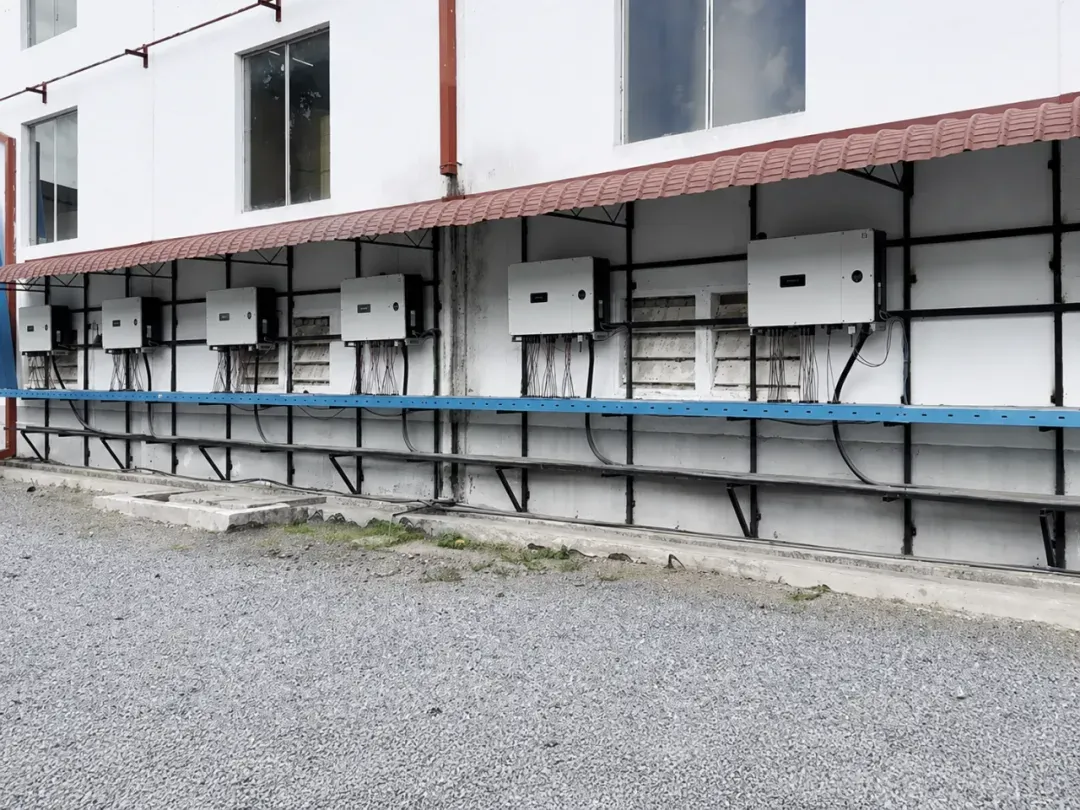
Every Shift Has an Energy Cost
For this paper mill, electricity consumption is closely linked to the production floor. The hot and humid local climate places strain on equipment cooling systems; production machinery requires electrical power to operate, whilst production lines demand a stable power supply. The mill must balance electricity costs with the operational environment of its equipment and production requirements.
Daytime electricity consumption was the starting point for this project. The mill hoped to utilise solar power generated during the day to supply electricity for production during the same period, thereby reducing its reliance on purchased electricity. Photovoltaics thus became part of the mill’s operational planning: in addition to focusing on the purchase price per kilowatt-hour, consideration was also given to where the electricity required for production could be sourced.
For manufacturing enterprises with similar needs, this project raises a specific question: Can on-site photovoltaic systems meet a portion of the electricity demand during periods when production requires power? Answering this question requires aligning power generation with production on a single timeline and conducting an assessment based on actual load conditions.
One Paper Mill, 3 MW: The Project at a Glance
| Item | Project Information |
|---|---|
| Country | Sri Lanka |
| Application | Paper mill |
| Project Capacity | 3 MW |
| Inverter Series | Sunways STT Series |
| Number of Inverters | 31 |
| System Type | Three-phase grid-connected PV system |
This project provides factory owners and EPC teams with an example of Sunways inverters being used in the paper industry. The scale of the project and the number of units can serve as a reference for preliminary discussions; however, the specific configuration must still be determined in accordance with the electrical conditions of each individual factory.
From Sunlight to Factory Power
In this system, Sunways plays a key role in the conversion of electricity generated by the photovoltaic system.
Photovoltaic modules generate direct current (DC), whilst the factory’s alternating current (AC) electrical system requires AC power. The 31 Sunways STT series three-phase grid-connected inverters in this project are responsible for converting DC to AC, enabling the electricity generated by the modules to enter the AC side and participate in the operation of the grid-connected system.
This stage bridges the gap between electricity generation at the module level and electricity consumption at the factory level. Understanding the role of the inverter also helps to distinguish between the different functions within the project: the modules are responsible for converting solar energy into electricity, the inverters carry out the electrical conversion, whilst the manner in which the system is connected to the factory and coordinated with the loads must be implemented through the overall electrical design.
Therefore, when evaluating similar projects, the number of units required must be considered alongside the module configuration, installation conditions and grid connection requirements. For another paper mill, even if a PV project of the same scale is planned, the model and quantity of inverters should be determined based on on-site conditions.
Making Solar Part of the Operating Plan
When a factory invests in PV, its primary concern is how the electricity generated can be integrated into production and to what extent it can reduce the need to purchase electricity from the grid.
When PV electricity is used directly by production loads on-site, it can replace a portion of the electricity purchased from the grid during the same time period. This is why daytime production loads warrant close analysis: the degree of overlap between solar power generation and the mill’s electricity consumption will affect the amount of solar power that can be utilised directly.
For enterprises wishing to use this project as a reference, the assessment can begin with an electricity consumption curve for a typical working day. Factors such as when production commences, which periods experience higher loads, and the differences between weekends and weekdays all help to determine the degree of alignment between the solar system and production. When analysing costs in greater detail, it is also necessary to take into account the actual electricity tariff categories, time-of-use rates and other billing items.
The operational rationale behind this Sri Lankan paper mill project is to integrate on-site power generation into the production electricity arrangements. For similar factories, clear information on load profiles and electrical conditions can also make equipment selection and investment discussions more targeted.
Three Questions to Ask Before Your Next Solar Project
How Much Could Solar Reduce Our Electricity Costs?
This requires a calculation based on actual self-consumption, the electricity purchase price during the relevant time periods, the settlement method for surplus electricity, and the breakdown of the bill. The project capacity or annual electricity generation alone does not determine the savings on electricity bills. You can start by assessing the factory’s recent bills and daytime load.
Can Grid-Connected Solar Keep Production Running During an Outage?
A standard grid-connected photovoltaic system is not, in itself, an emergency power system. When the grid is unavailable, conventional grid-tied inverters will cease to operate. If the factory requires a continuous power supply during a power cut, critical loads, backup power sources, and control and protection schemes should be assessed separately.
What Do We Need for an Inverter Selection Discussion?
Please provide the project location, application scenario, planned capacity and details of existing modules. Load profiles, recent electricity bills and single-line diagrams will assist in further discussions. For projects still in the planning stage, we can begin discussions based on the information currently available.
What Could Solar Look Like at Your Factory?
Every factory has its own production rhythm and electricity requirements. Making solar power a suitable energy choice requires taking these specific conditions into account.
If you are planning a solar project for a paper mill, or selecting inverters for other commercial and industrial facilities, please feel free to contact Sunways with details of your project location, planned scale and current stage of development. We can then discuss inverter configurations suited to your project’s requirements, taking into account your existing modules and electrical documentation.
Related Projects
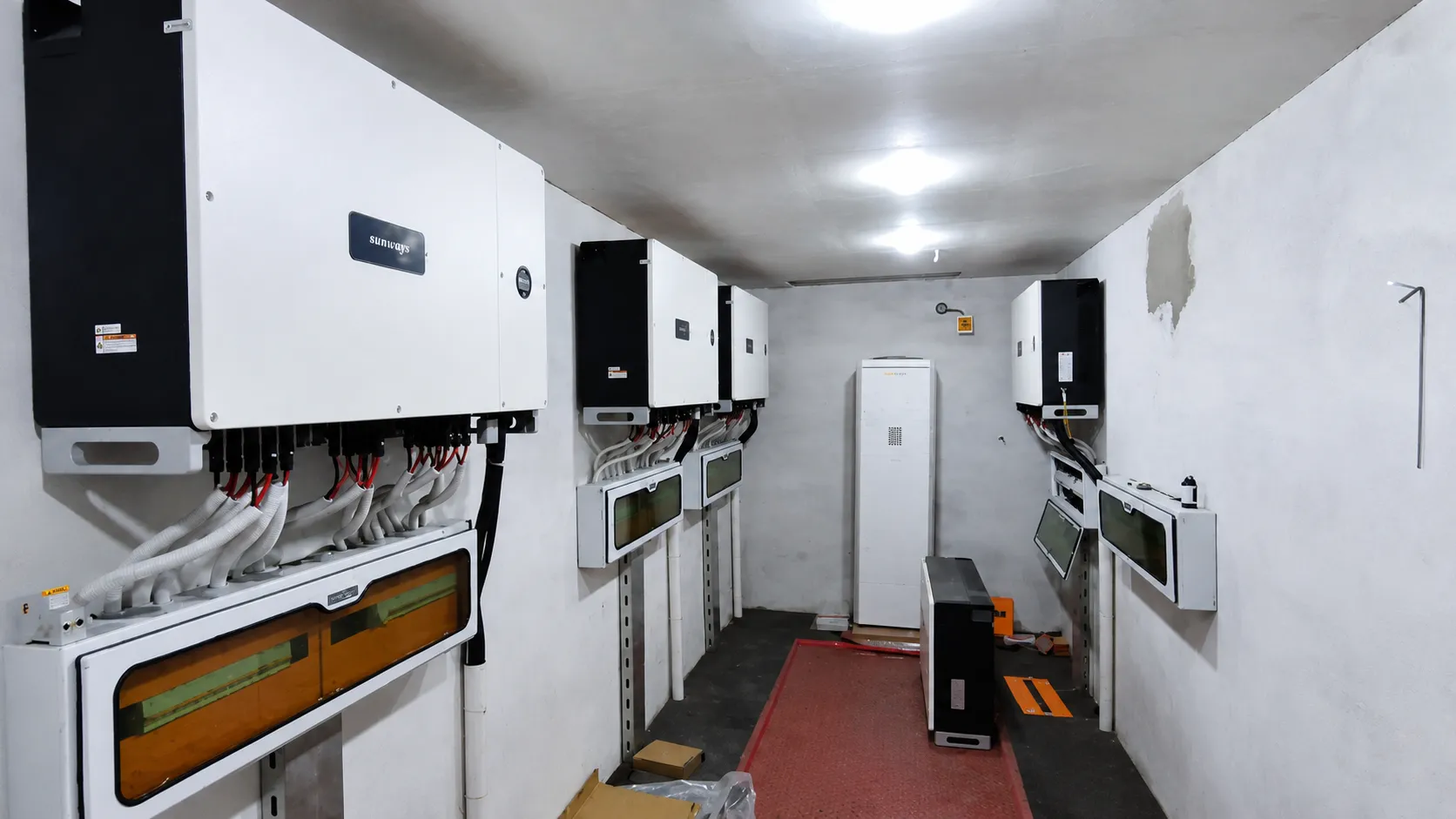
Pakistan 675kW Steel Factory Solar Project
How Sunways STT-125KTL-HV inverters help industrial customers reduce energy costs, improve power reliability.
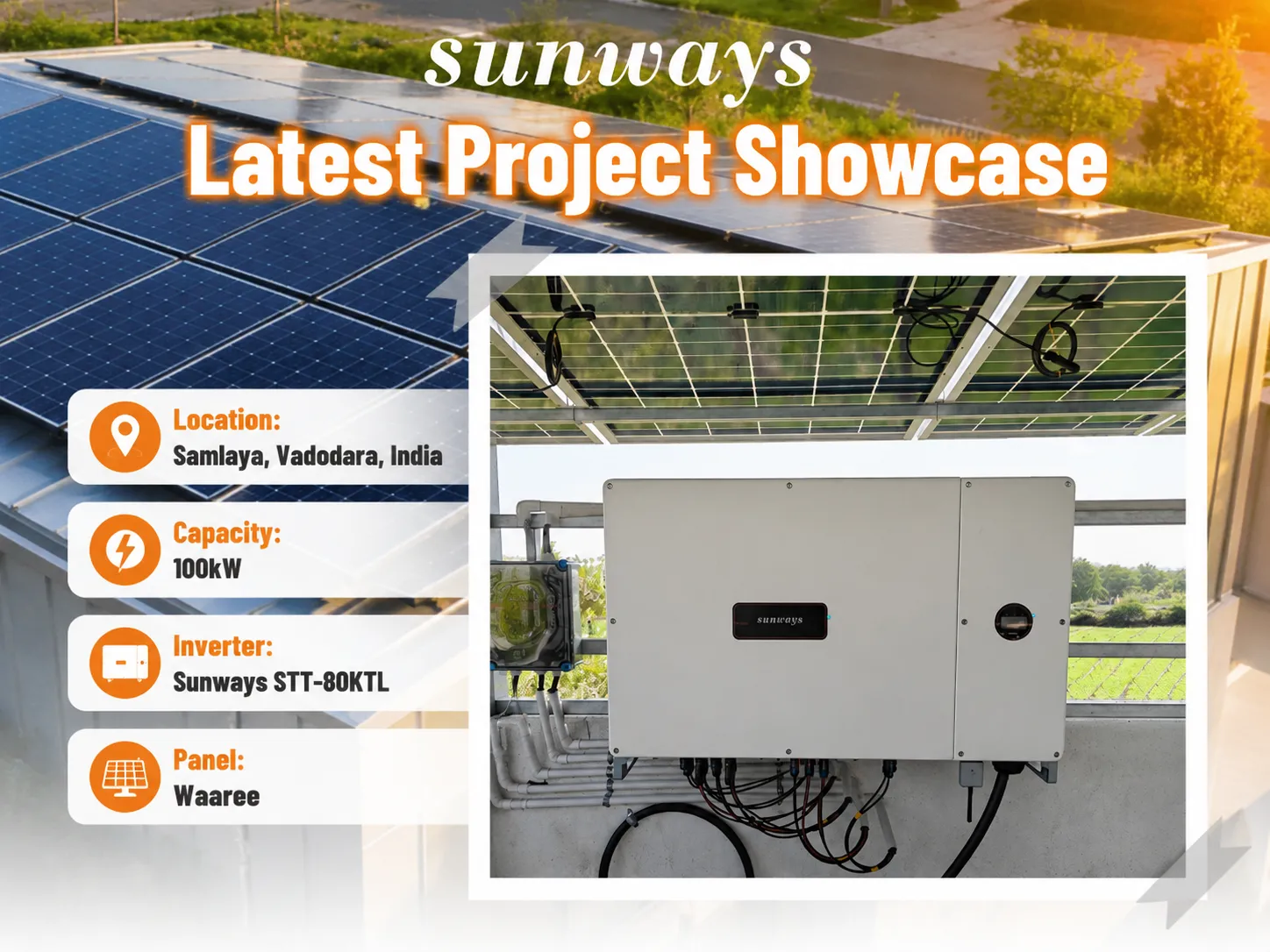
100.89kW Commercial Solar Project in Gujarat, India
Explore how Sunways STT-80KTL three-phase on-grid inverter powers a 100.89kW commercial solar project in Gujarat, India.