
Sunwyas On-Grid Inverters
The primary function of an on-grid inverter is to supply electricity generated by solar panels directly for on-site use and feed excess power into the grid. It does not require batteries and is better suited for projects with a stable grid where the main objectives are to reduce electricity bills and improve PV utilization rates.
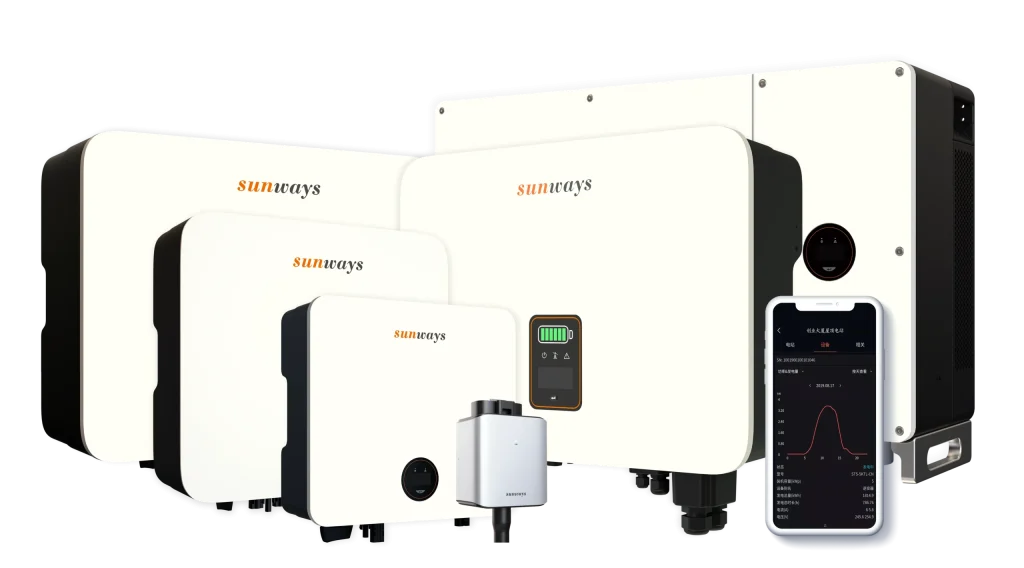
Sunways offers a portfolio of on-grid inverters / grid-tied inverters ranging from residential rooftop systems to large-scale commercial and industrial projects. You can select the appropriate string inverter based on your local grid, PV capacity, roof structure, and MPPT requirements.
1–170 kW
From residential single-phase systems to commercial, C&I, and larger-scale PV projects.
Flexible PV Design
Complex roof configurations, varying orientations, and multi-string designs allow for more flexible MPPT configurations. Both the Sunways STT 100–150 kW and 130–170 kW series feature a 10-MPPT design.
Built for Long-Term Operation
Many models in Sunways’ flagship STS/STT series meet the IP66 rating and support various forms of remote communication, monitoring, and firmware updates.
Choose the Right On-Grid Inverter
01丨
Single-Phase On-Grid Inverter
More commonly used in residential and small-scale rooftop PV systems.
If the site uses a single-phase grid, the Sunways STS series should be considered as a priority.
The final selection should be based on the actual Grid Connection.
02丨
Three-Phase On-Grid Inverter
Better suited for three-phase power distribution scenarios such as factories, warehouses, office buildings, and hotels.
Commercial and C&I projects typically prioritize three-phase solutions.
The Sunways STT series covers a wide range of three-phase power ratings.
03丨
Choose by Grid Voltage
First confirm the Grid Phase, then confirm the specific Grid Voltage.
Different countries and projects may use different three-phase voltage levels.
Sunways offers standard three-phase, LV Three-Phase, and HV Three-Phase products.
04丨
Choose by PV Array Design
When the roof faces a single direction and there is minimal shading, you may not need many MPPT units.
In cases of multiple orientations, multiple roofs, or partial shading, independent MPPT units are more necessary.
More MPPT units aren’t necessarily better; the key is whether they match your PV array.
Single-Phase On-Grid Inverters
Single-Phase On-Grid Inverter
Designed for small residential solar systems and compact rooftop projects. A practical choice when you need a simple single-phase grid-tied solution for lower-power PV installations.
- Power Range: 1–3.3 kW
- Grid Type: Single-phase
- MPPT: 1 MPPT
- Protection Degree: IP65
- Application: Small Residential
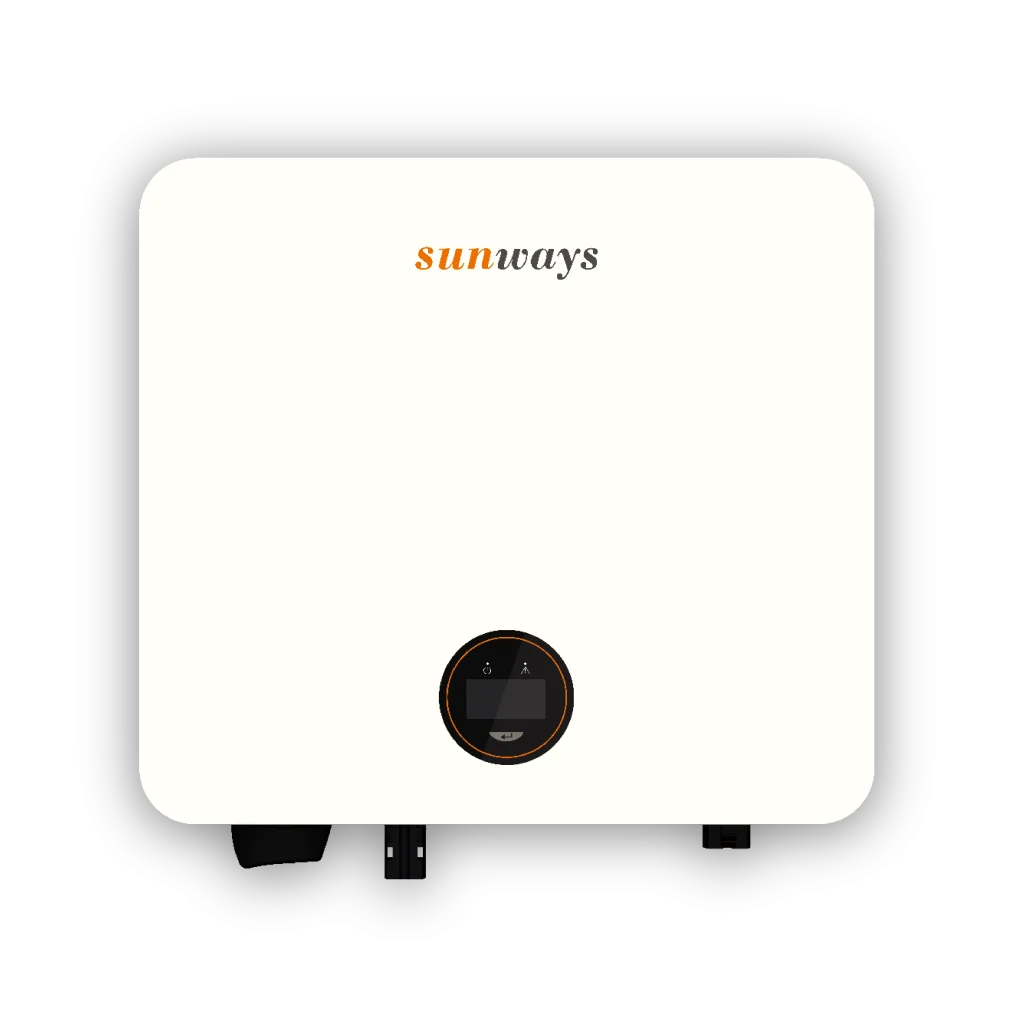
Single-Phase On-Grid Inverter
Designed for residential rooftop solar systems that need reliable grid-connected power conversion in a compact power range. Suitable for everyday home PV applications.
- Power Range: 3–4 kW
- Grid Type: Single-phase
- MPPT: 1 MPPT
- Protection Degree: IP66
- Application: Residential
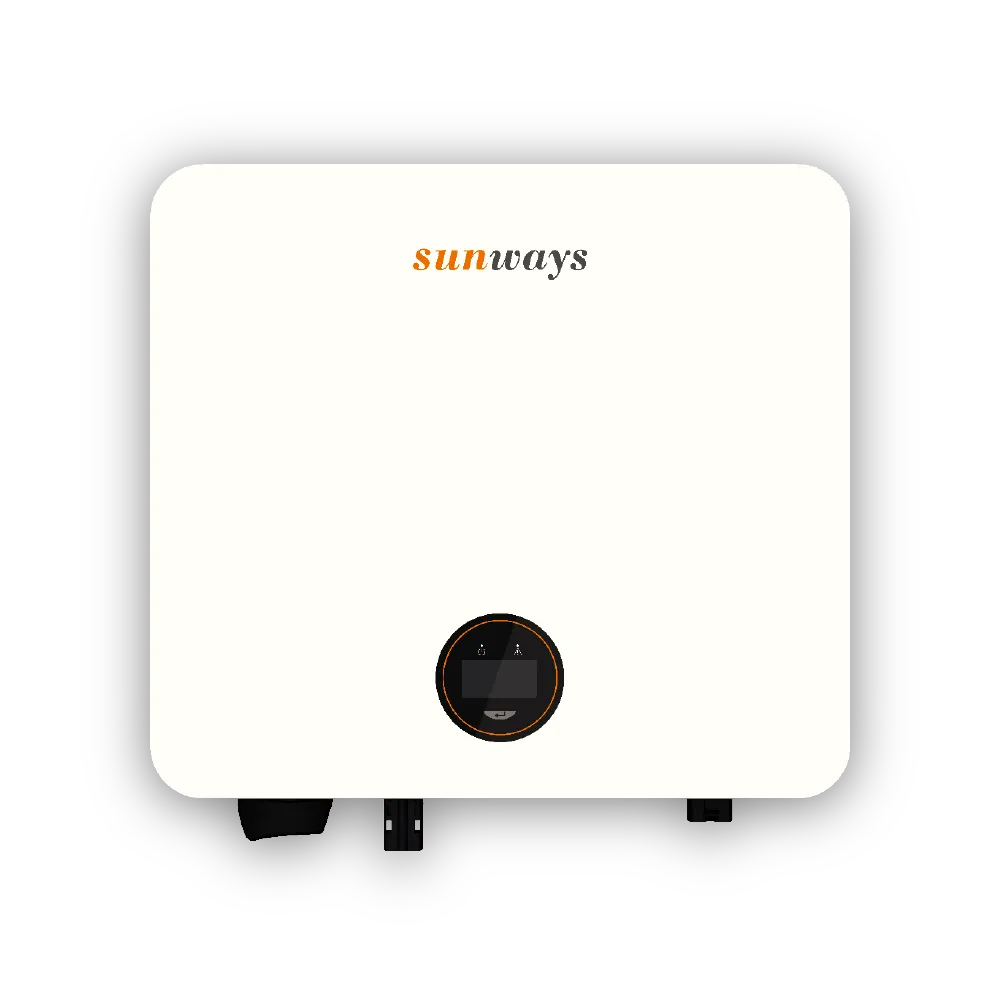
Single-Phase On-Grid Inverter
Designed for residential rooftop PV systems with greater array design flexibility. With dual MPPTs, it is better suited to rooftops with different PV string layouts or orientations.
- Power Range: 3–6 kW
- Grid Type: Single-phase
- MPPT: 2 MPPTs
- Protection Degree: IP66
- Application: Residential Rooftop
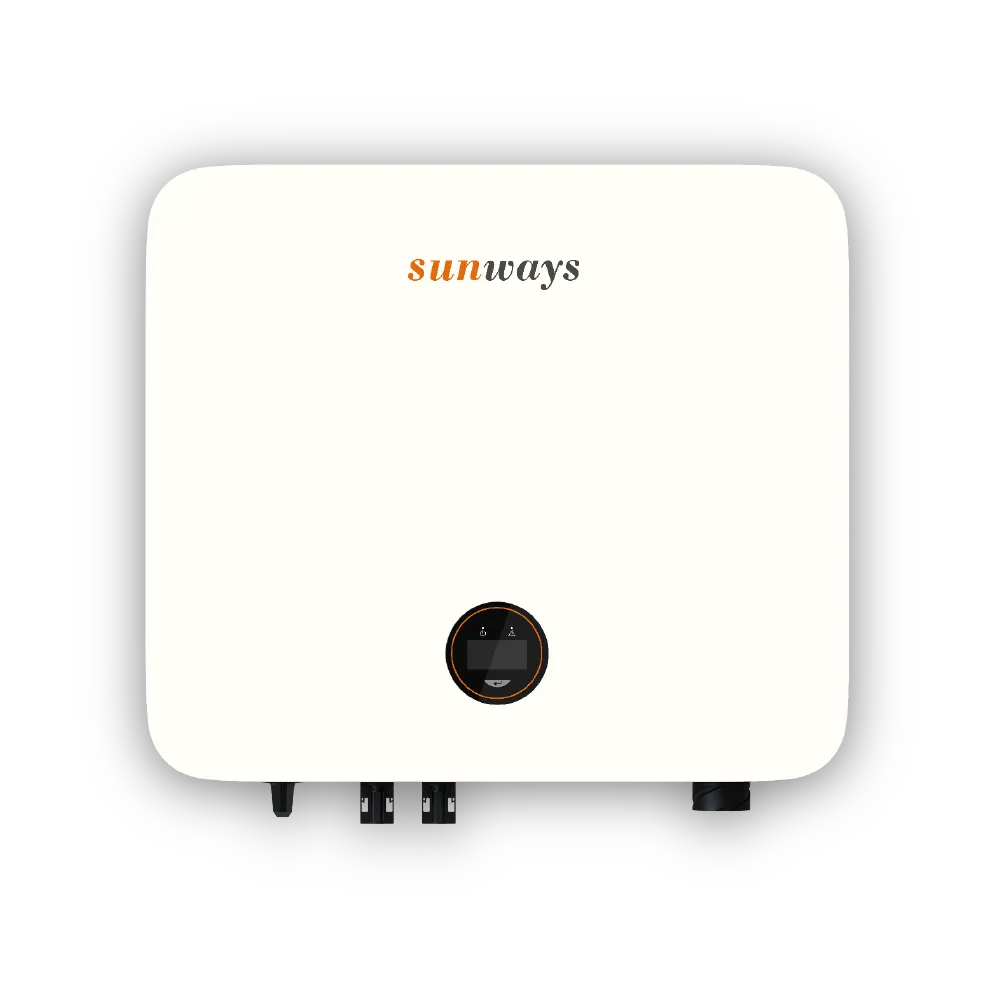
Single-Phase On-Grid Inverter
Designed for larger residential PV systems that require more solar capacity while remaining on a single-phase grid. A strong fit for higher-power home rooftop installations.
- Power Range: 7.5–8 kW
- Grid Type: Single-phase
- MPPT: 2 MPPTs
- Protection Degree: IP66
- Application: Larger Residential
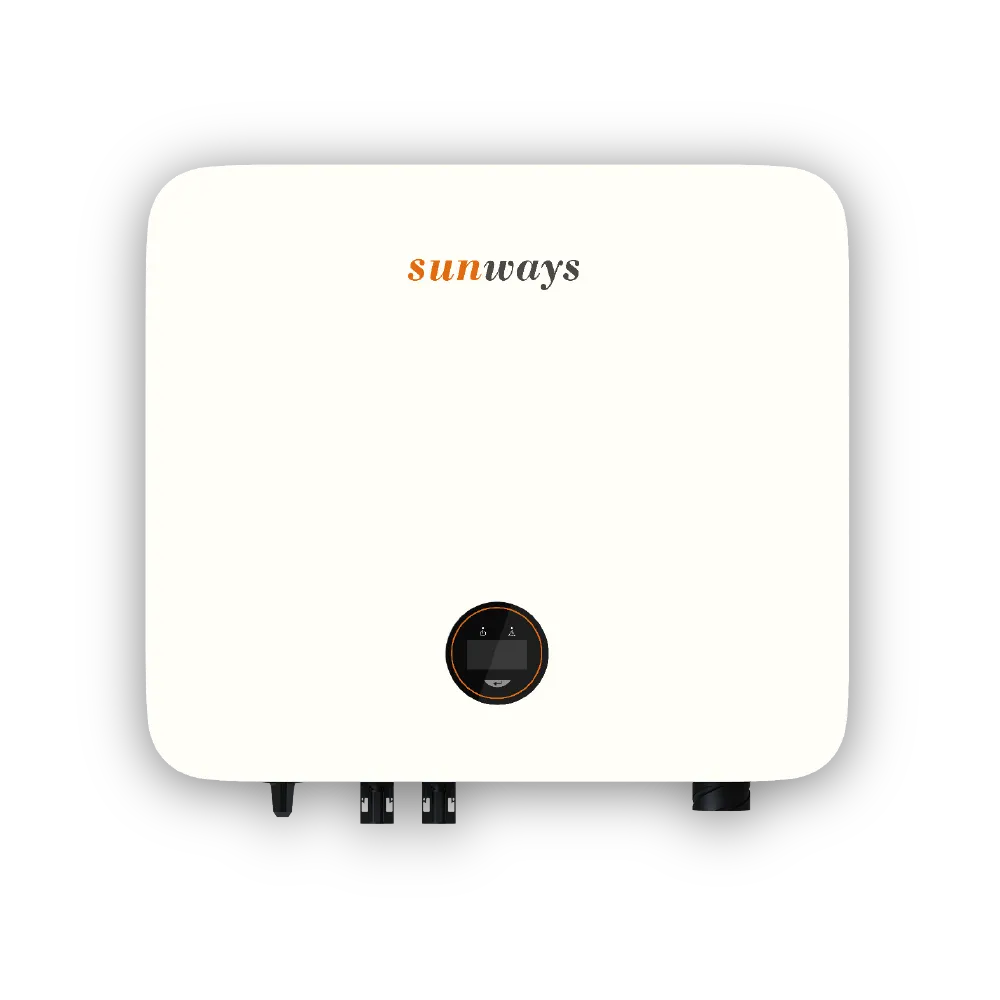
Single-Phase On-Grid Inverter
Built for high-power residential solar projects where a standard small rooftop inverter may no longer be enough. Suitable for larger single-phase PV installations.
- Power Range: 7–11 kW
- Grid Type: Single-phase
- MPPT: 2 MPPTs
- Protection Degree: IP65
- Application: High-Power Residential
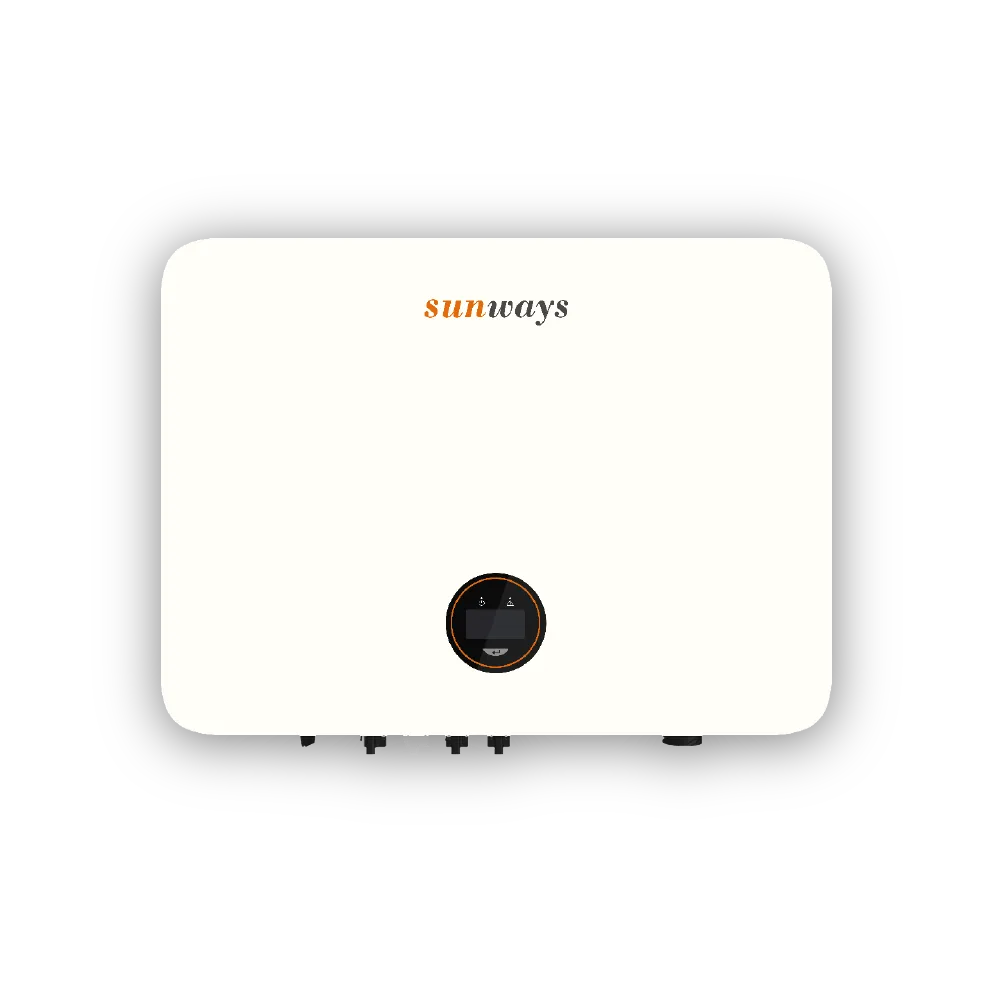
Three-Phase On-Grid Inverters
Three-Phase On-Grid Inverter
Designed for larger residential and small commercial solar systems. It provides a flexible three-phase solution for projects moving beyond typical single-phase rooftop capacity.
- Power Range: 4–25 kW
- Grid Type: Three-phase
- MPPT: 2 MPPTs
- Grid Voltage: Standard Three-Phase
- Protection Degree: IP65
- Application: Residential / Small Commercial
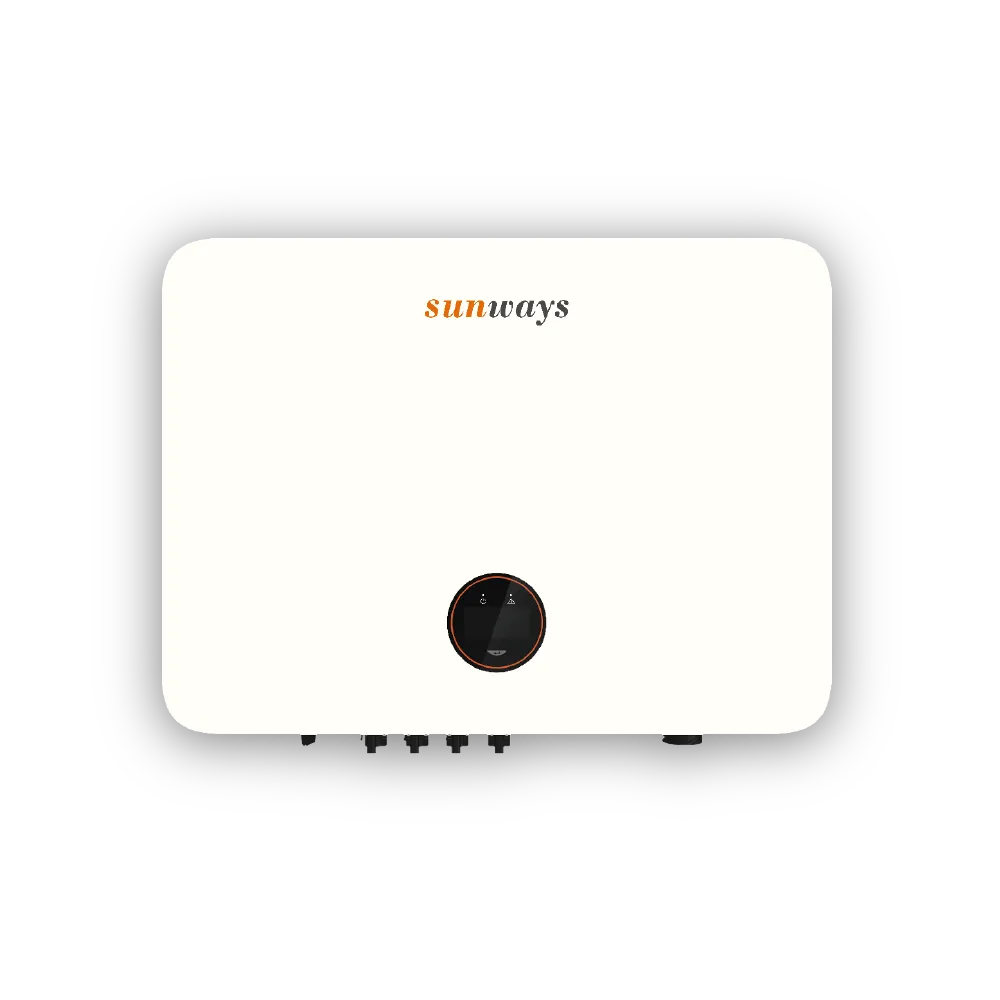
Low-Voltage Three-Phase On-Grid Inverter
Designed for solar projects connected to low-voltage three-phase grids. Suitable when your local grid configuration requires a dedicated LV three-phase inverter solution.
- Power Range: 10–20 kW
- Grid Type: Three-phase
- MPPT: 2 MPPTs
- Grid Voltage: Low Voltage
- Protection Degree: IP66
- Application: LV Three-Phase Projects
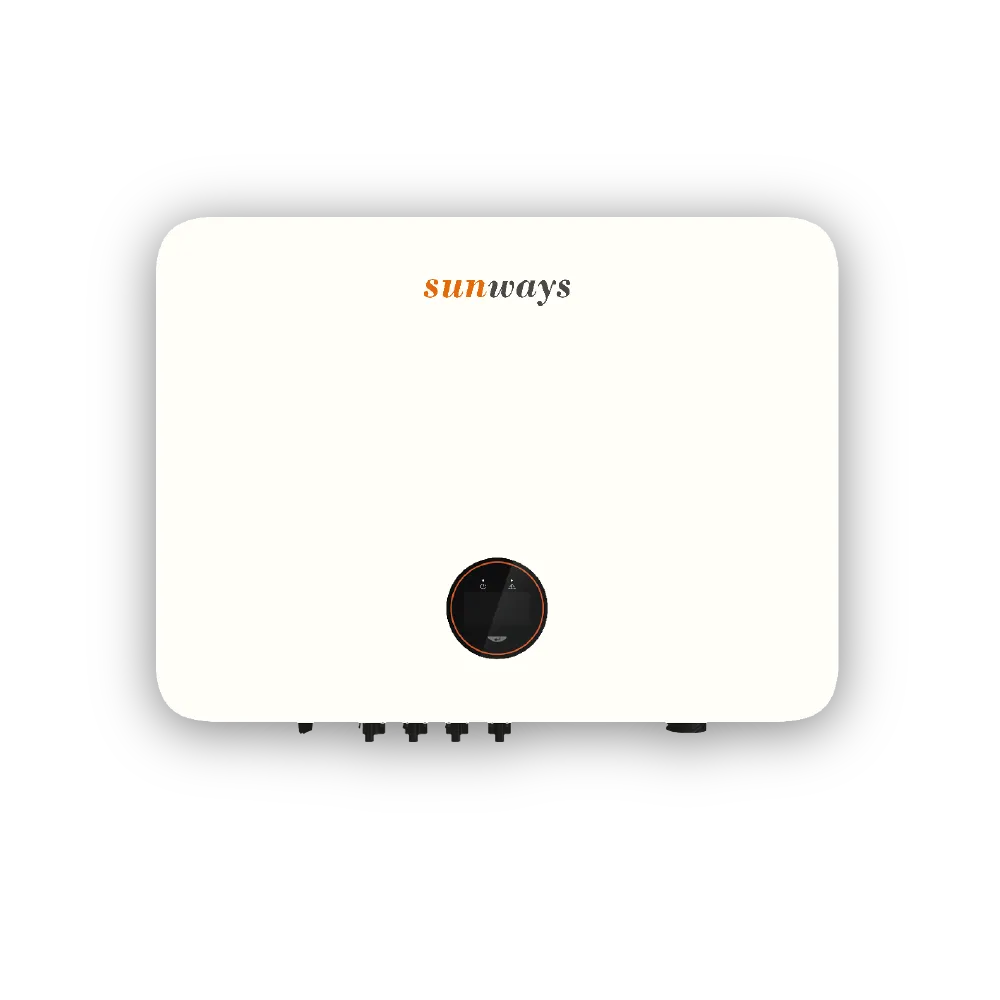
Three-Phase On-Grid Inverter
Designed for small commercial solar systems such as offices, stores, schools and smaller industrial rooftops. A practical step up when your project requires three-phase grid connection.
- Power Range: 15–30 kW
- Grid Type: Three-phase
- MPPT: 1 / 2 MPPTs
- Grid Voltage: Standard Three-Phase
- Protection Degree: IP66
- Application: Small Commercial
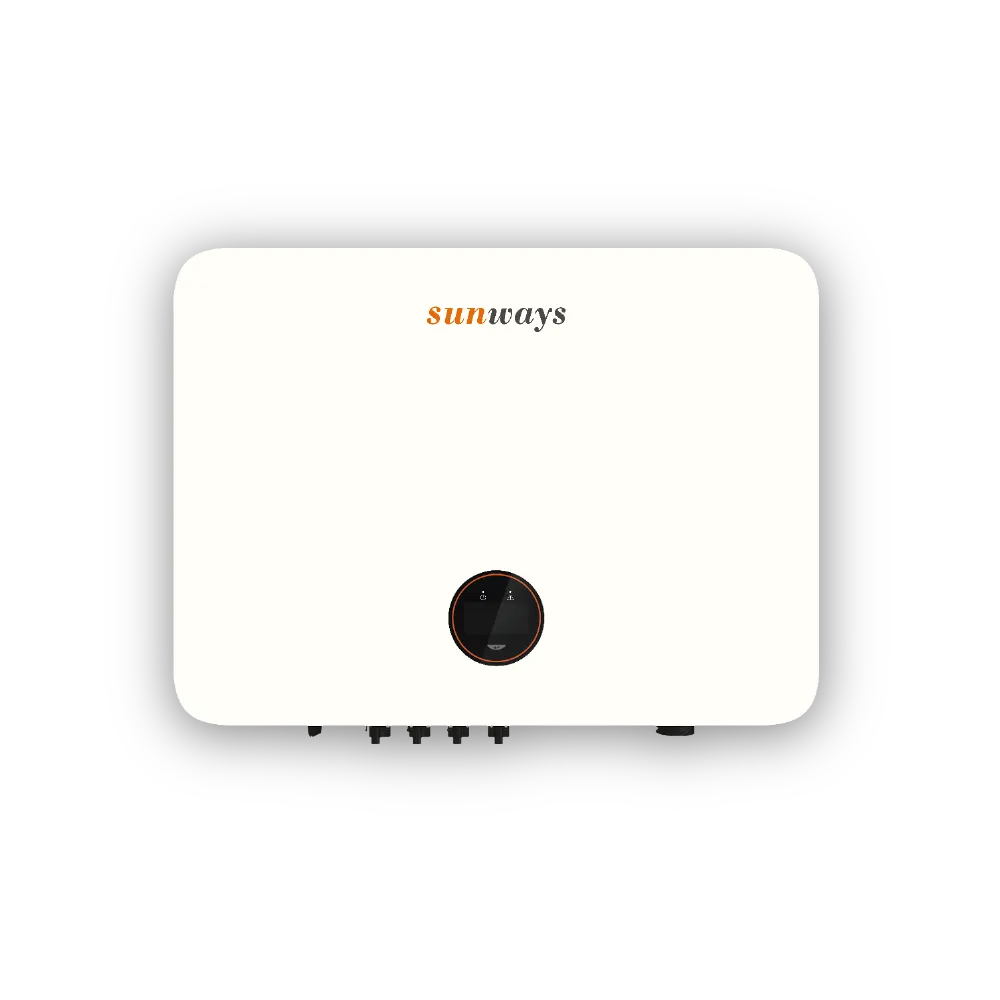
Three-Phase On-Grid Inverter
Designed for commercial and C&I rooftop solar projects with larger PV arrays. Four MPPTs provide more flexibility for managing multiple strings and different rooftop sections.
- Power Range: 30–60 kW
- Grid Type: Three-phase
- MPPT: 4 MPPTs
- Grid Voltage: Standard Three-Phase
- Protection Degree: IP66
- Application: Commercial / C&I
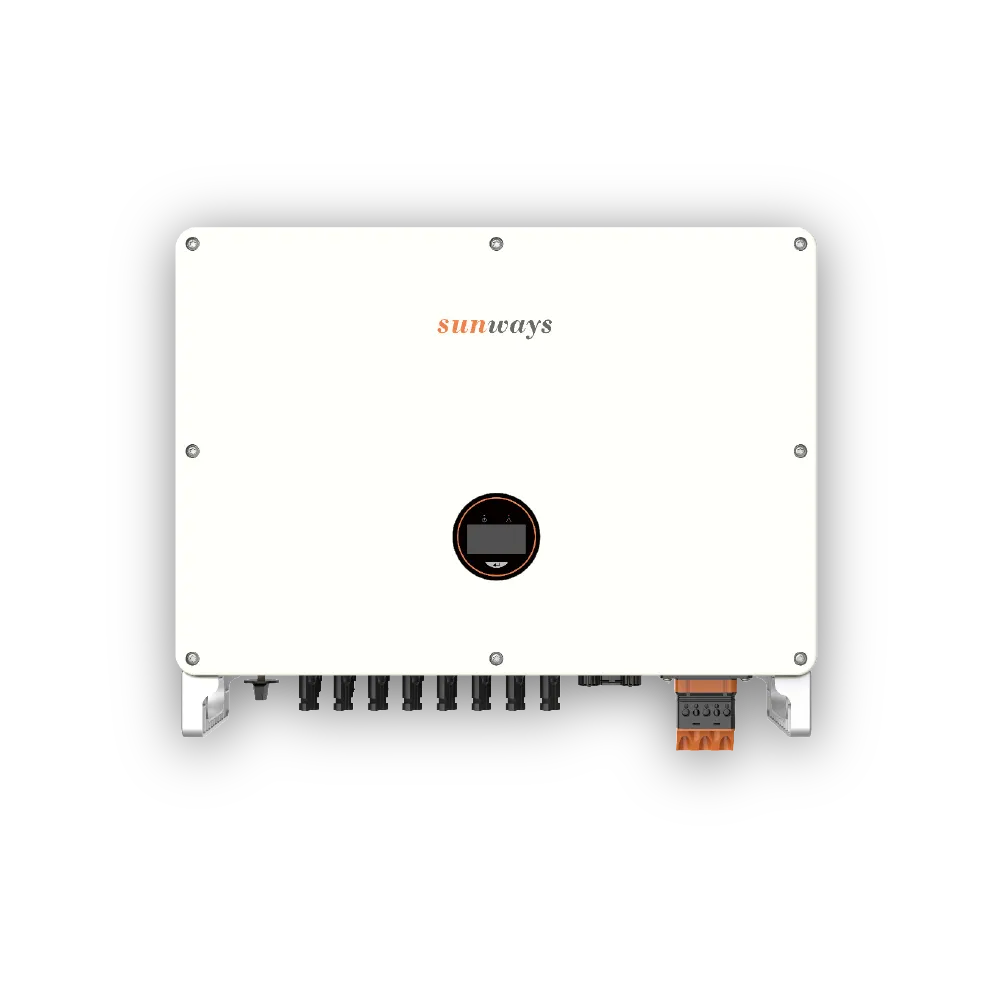
Low-Voltage Three-Phase On-Grid Inverter
Designed for commercial PV projects using low-voltage three-phase grids. Four MPPTs make it suitable for projects that need more flexible PV array configuration.
- Power Range: 15–37.5 kW
- Grid Type: Three-phase
- MPPT: 4 MPPTs
- Grid Voltage: Low Voltage
- Protection Degree: IP66
- Application: LV Commercial
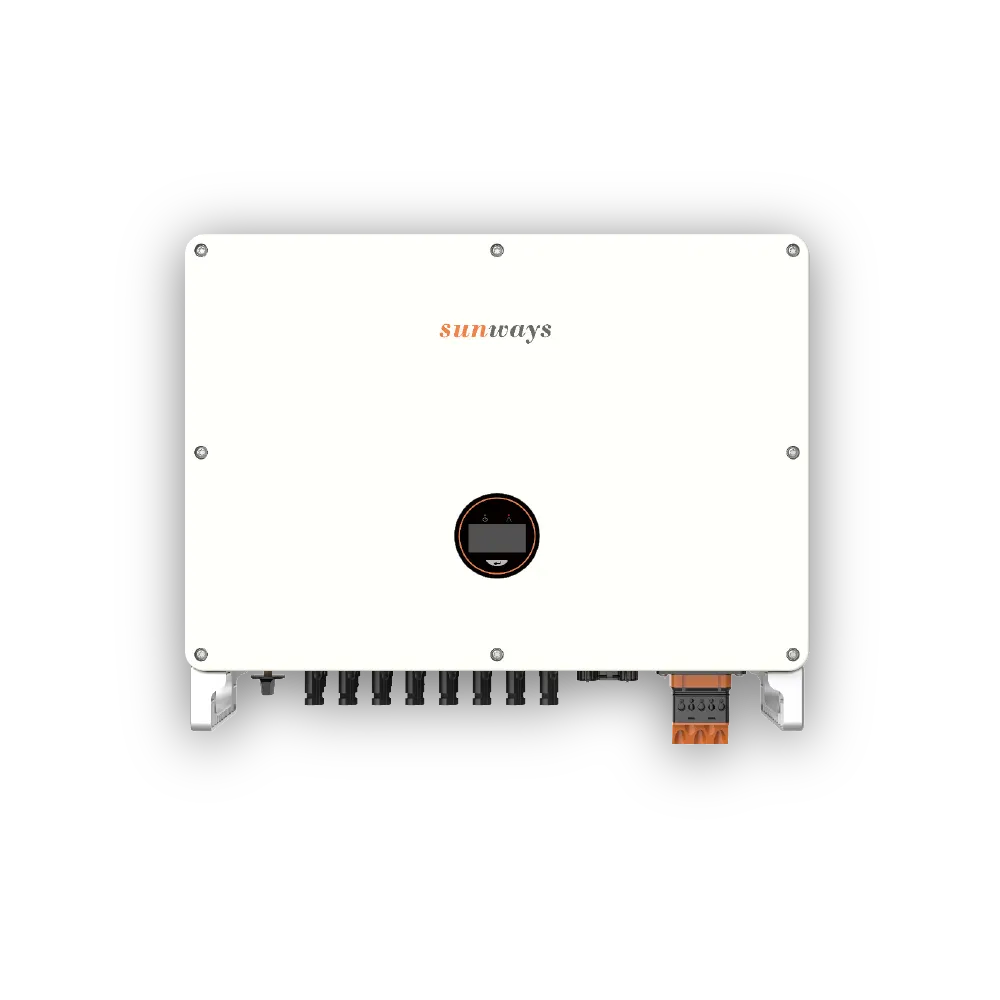
Low-Voltage Three-Phase On-Grid Inverter
Built for larger commercial and C&I solar systems connected to low-voltage three-phase grids. Ten MPPTs provide greater flexibility for complex PV arrays and multi-string layouts.
- Power Range: 55–80 kW
- Grid Type: Three-phase
- MPPT: 10 MPPTs
- Grid Voltage: Low Voltage
- Protection Degree: IP66
- Application: LV C&I
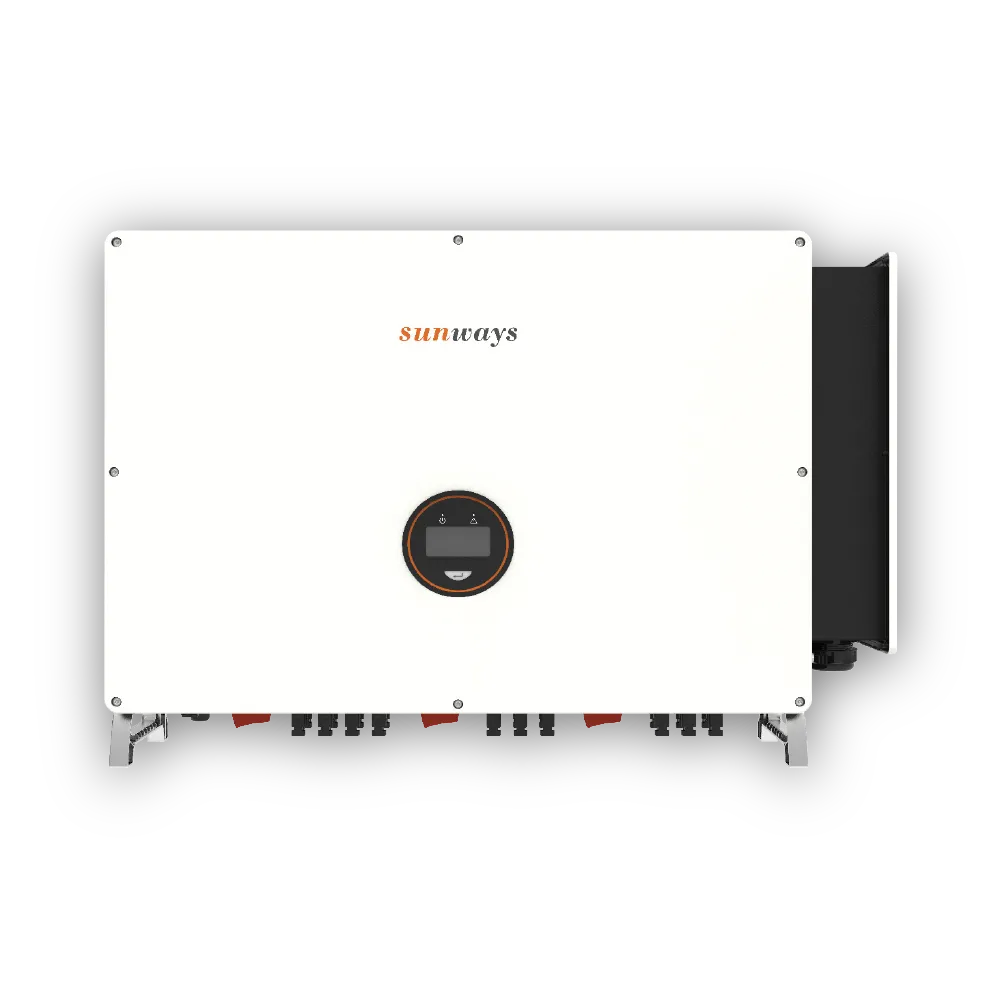
Three-Phase On-Grid Inverter
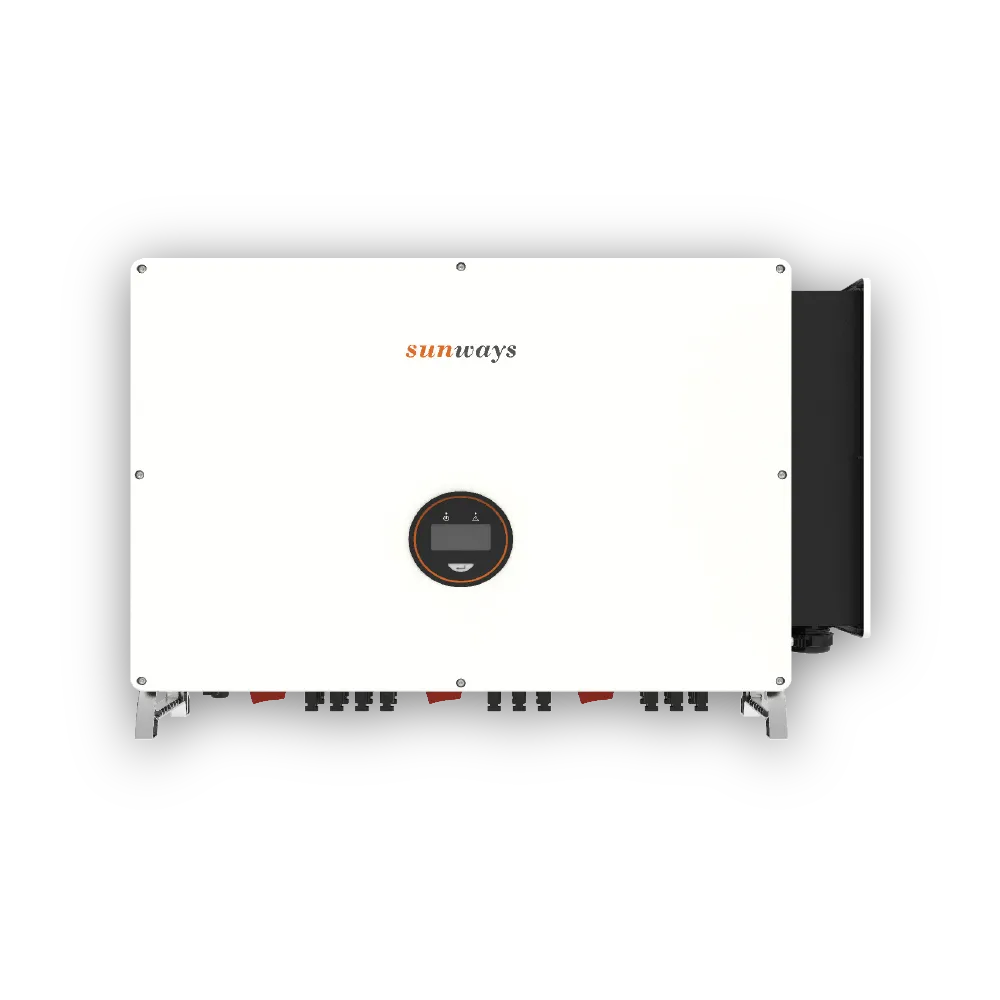
Designed for large commercial and C&I PV systems where high power and flexible string management matter. Ten MPPTs help accommodate larger and more complex PV array designs.
- Power Range: 100–150 kW
- Grid Type: Three-phase
- MPPT: 10 MPPTs
- Grid Voltage: Standard Three-Phase
- Protection Degree: IP66
- Application: C&I / Large PV
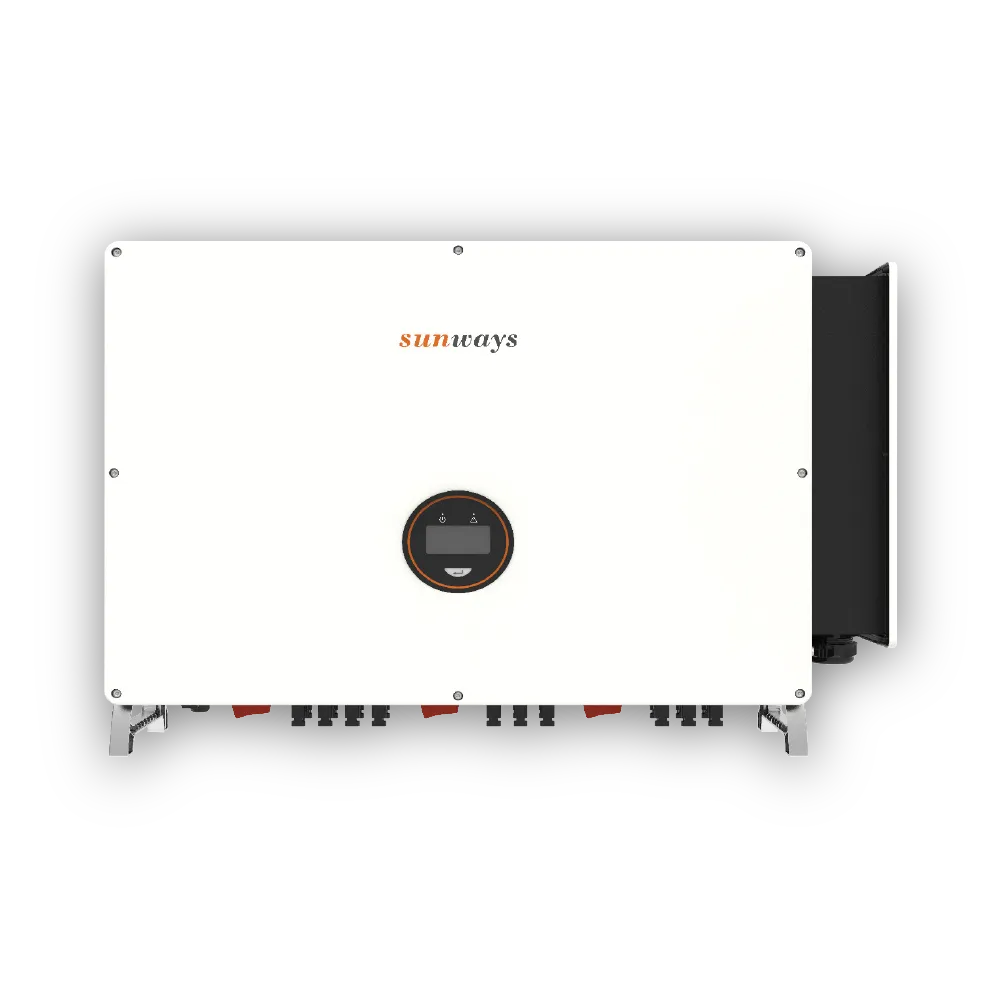
High-Voltage Three-Phase On-Grid Inverter
Designed for high-power C&I and larger PV projects using high-voltage three-phase grids. It combines a 130–170 kW power range with 10 MPPTs for large-scale PV array design.
- Power Range: 130–170 kW
- Grid Type: Three-phase
- MPPT: 10 MPPTs
- Grid Voltage: High Voltage
- Protection Degree: IP66
- Application: HV C&I / Large PV
Get a Product Recommendation
You don’t need to check all the electrical parameters on your own.
Tell Sunways the country where your project is located, the grid type, the load power and your battery requirements. Our technical team can help you narrow down the product range and provide the relevant data sheets, information on compatible batteries and selection recommendations.
What Does an On-Grid Inverter Actually Do
An on-grid inverter, also known as a grid-tied inverter or grid-connected inverter, is the core power conversion device that connects a PV system to the public grid. It converts the DC (direct current) generated by photovoltaic modules into AC (alternating current) that meets grid requirements, while also performing MPPT (Maximum Power Point Tracking), grid synchronization, safety protection, and operational monitoring. The U.S. Department of Energy similarly defines the core function of a solar inverter as converting the DC generated by PV into AC for use on the grid. Workflow:
Solar Panels → On-Grid Inverter → Local Loads → Utility Grid
During the day, solar power is prioritized for on-site loads. Excess electricity can be fed into the utility grid according to local grid-connection policies and system settings. Standard on-grid inverters rely on the utility grid for operation. During a utility grid outage, the inverter typically stops grid output via anti-islanding protection and therefore cannot be used as standard backup power.
If your project requires battery storage or backup power during outages, a hybrid inverter is recommended.
On-Grid: Solar + Grid
Hybrid: Solar + Grid + Battery + Backup
What Is a Grid Tied Inverter? Benefits, Uses and How to Choose One
What Really Makes an On-Grid Inverter Right for Your Project?
We recommend verifying system compatibility before comparing specifications. You need to confirm Power, MPPT, PV Voltage & Current, Safety, and Monitoring. An inverter with 98.8% efficiency is still not the right choice if the grid, MPPT, or PV input are incompatible.
If you already have the project’s PV capacity, module model, grid phase configuration/voltage, and project location, Sunways can further help you determine the appropriate power range, MPPT configuration, and PV input compatibility.
| Metric | Why It Matters | Sunways Example |
|---|---|---|
| Power & DC/AC Ratio | Determines whether the inverter matches the PV capacity and grid connection limits | On-Grid products cover 1–170 kW |
| MPPT Design | Multi-orientation, multi-roof projects require more flexible array management | STS 3–6 kW: 2 MPPT; STT 30–60 kW: 4 MPPT; STT 100–150 kW: 10 MPPT |
| PV Voltage & Current | Power matching does not necessarily mean voltage and current compatibility | STT 100–150 kW: 1100 V Max. DC, 200–1000 V MPPT Range, 10 × 40 A input |
| Efficiency & Safety | Affects conversion losses, outdoor reliability, and grid-connection safety | STT 100–150 kW: 98.8% Max. Efficiency, IP66 |
| Monitoring | Directly impacts post-installation troubleshooting and O&M efficiency | Multiple STS/STT series support RS485 / WiFi / GPRS / LAN |
Inverters for Every Solar Application
Residential Rooftop Solar
Suitable for homes and small rooftop PV systems using single-phase grid connections.
- Compact and easy to install;
- Low-noise operation for residential environments;
- 1–2 MPPTs for common rooftop layouts;
- Simple monitoring for daily system management.
Recommended Series: STS Series
Commercial Rooftops
Suitable for shops, offices, schools, hotels, warehouses and other small-to-medium commercial rooftops.
- Supports three-phase grid connections;
- Multiple MPPTs improve rooftop design flexibility;
- Compatible with high-current PV modules;
- Remote monitoring helps simplify daily O&M.
Recommended Series: STT 15–60 kW
C&I Solar Systems
Suitable for factories, industrial facilities and larger commercial PV systems with more complex array designs.
- Multi-MPPT design for multiple roof sections;
- Flexible PV string configuration;
- Supports remote O&M and export control;
- Better suited to larger three-phase PV systems.
Recommended Series: STT 55–150 kW
Large PV Projects
Suitable for large commercial, industrial and utility-scale PV projects that require higher power and more flexible array management.
- Up to 10 MPPTs for complex PV arrays;
- Power range extends up to 170 kW;
- Supports centralized monitoring and large-system O&M;
- Proven in projects from hundreds of kW to MW scale.
Recommended Series: STT 100–150 kW / STT 130–170 kW HV
Why Sunways?
30+ Years of Inverter Experience
Sunways was founded in Konstanz, Germany, in 1993 and has over 30 years of experience in inverter R&D and manufacturing.
Global Market Experience
Sunways currently operates in over 60 countries and regions, providing long-term support for residential, commercial, and C&I solar projects.
60,000 m² Smart Manufacturing Base
Sunways operates a 60,000 m² smart manufacturing base and has established a manufacturing system that covers production, testing, and quality traceability.
Strong R&D Capability
Sunways allocates 8%+ of its annual revenue to R&D, with R&D personnel accounting for 50%+ of its workforce, and holds a cumulative total of 100+ patents.
SGS-Qualified Testing Capability
In 2024, Sunways obtained SGS Qualified Testing Lab certification, enabling it to conduct grid simulation, anti-islanding, and a wide range of product tests.
Certification for 150+ Countries
Sunways’ product certifications cover 150+ countries and regions, helping you more efficiently meet the safety and grid-connection requirements of different markets.
FAQs -Get the Answers Before You Decide.
What Is an On-Grid Inverter?
An on-grid inverter is a device that converts the DC electricity generated by PV modules into AC electricity suitable for the utility grid and operates in sync with the public grid.
It is also commonly referred to as a grid-tied inverter, grid tie inverter, or grid-connected inverter. In addition to DC/AC conversion, modern inverters also perform functions such as monitoring and grid response.
How Does an On-Grid Inverter Work?
It uses MPPT to capture the available power from the PV array and then converts the DC electricity into AC electricity that meets grid requirements.
The converted electricity can first be used to power on-site loads. Whether excess electricity can be fed into the grid depends on local grid-connection policies, utility requirements, and system settings.
Can a Grid-Tie Inverter Run on a Battery?
Standard grid-tie inverters typically cannot directly manage battery charging and discharging.
If your project requires energy storage, nighttime power consumption, or backup power, it is more appropriate to choose a hybrid inverter or a dedicated energy storage system. The DOE notes that solar + storage systems require compatible inverters and energy storage equipment to operate off-grid.
Can an On-Grid Inverter Work During a Power Outage?
Standard on-grid inverters typically cease grid-tied operation when the public grid goes down.
This is part of the grid-tied safety design. Traditional grid-following inverters rely on the external grid to provide a synchronization reference; severe or prolonged grid abnormalities will cause the inverter to disconnect.
If you need backup power during an outage, we recommend choosing a Solar + Hybrid Inverter + Battery system.
What Size On-Grid Inverter Do I Need?
You cannot select an inverter based solely on total PV power. You must also consider PV Capacity + DC/AC Ratio + Grid Connection Limit + Module Voltage/Current + Roof Design.
For example, even for a 100 kWp PV system, different roof orientations, grid limitations, and module parameters may require different inverter configurations.
How Many MPPTs Should an On-Grid Inverter Have?
If your roof has a uniform orientation and minimal shading, choose a solar inverter with fewer MPPTs. If you have multiple orientations, multiple roof surfaces, or a complex string layout, more independent MPPTs typically allow for a more flexible array design.
Sunways’ current on-grid product line ranges from 2 MPPT for residential applications to 10 MPPT for large-scale commercial and industrial (C&I) systems.
Can an On-Grid Inverter Support Zero Export?
Yes, but Zero Export typically requires the inverter to work in conjunction with metering and control equipment.
A typical architecture is: Inverter + Smart Meter / CT + Export Control
The system measures the power at the grid connection point in real time and adjusts the inverter’s output accordingly. Sunways’ current product portfolio includes Smart Meters, Energy Managers, and multi-unit Export Control solutions.
Are Microinverters Better Than String Inverters?
Not necessarily. Microinverters and string inverters are suited for different system designs.
Microinverters use module-level conversion, so when a single module is shaded or malfunctions, the impact on other modules is minimal; however, the DOE notes that they are typically more expensive. String inverters centrally manage a group of PV modules and are a common architecture in residential, commercial, and C&I projects.